Lead With Certainty. Breathe With Ease.
Your best people are leaving. We help you keep them.
Stability work for human services agencies, school districts, healthcare systems, public safety teams, and higher education — the organizations that carry the hardest work in their communities.
The weight lands on the same people, every time.
When a system stays under pressure too long, the people inside it start carrying what the structure should be holding. It looks like waking up braced for the next crisis. Making hard calls alone. Watching people who used to love this work go quiet. That isn't a staffing problem or a morale problem. It's what happens when the demands outlast what any person can absorb — and it's fixable at the level of how the organization is built.
Where the pressure shows up on your books.
- 01
Your best people keep leaving
Experienced staff walk out with everything they know. Recruitment costs climb, and they weren't in the budget.
- 02
Leadership is running on fumes
Compliance, shifting funding, public scrutiny. Your directors and principals absorb all of it, and no one is holding them.
- 03
Leadership and frontline stop trusting each other
Good policy dies on the way down. Communication fractures, and implementation stalls.
- 04
Decisions get harder to make
Exhausted people make expensive mistakes. Risk goes up exactly when judgment is thinnest.
- 05
The quality of the work starts slipping
Care, service, academic outcomes. When staffing thins, it shows — and eventually it shows publicly.
The structure holds the weight. Not your people.
Workplaces designed to protect people
Structures that account for the real emotional weight of the work — and shield staff from carrying it alone.
Leaders who stay steady under pressure
Practical tools for staying clear-headed in a crisis, grounded in how the human stress response actually works.
Metrics that support people instead of punishing them
Accountability systems that show you the truth without turning performance data into a threat.
Workloads that match what people can actually do
Realigned workflows and communication rhythms built around real human capacity — so people stay.
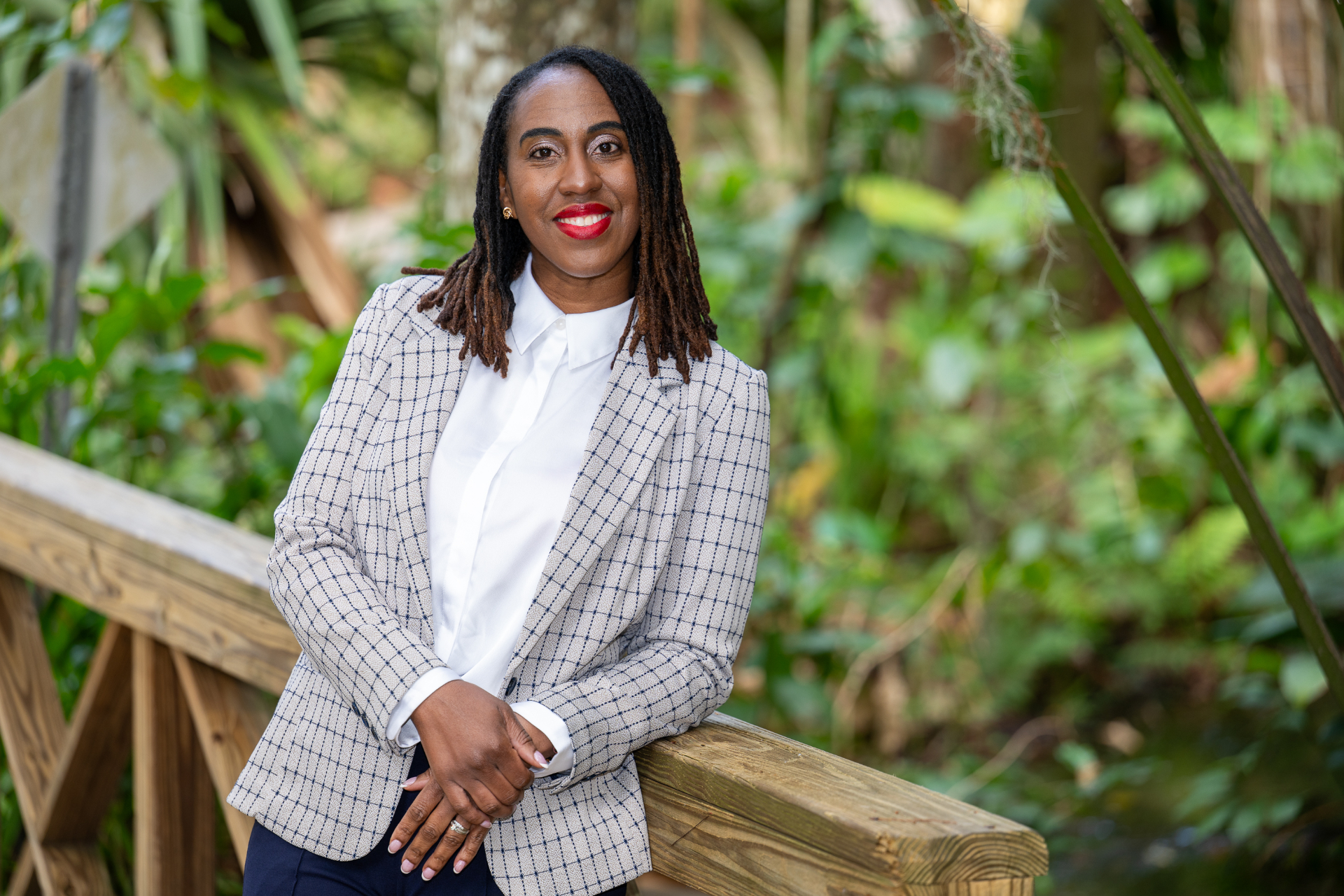
I spent 23 years as a U.S. Army Officer learning how to steady systems under pressure. I also spent them looking successful on paper while suffocating underneath it.
Then I watched the news cover Alabama’s human services system and saw exhausted staff working 12-hour shifts while children slept on floor pallets inside welfare offices. I didn’t see a broken system. I saw good people being crushed by the missions they carried, pouring everything into a system that poured nothing back.
I build the structures that pour back.
Kristina Eaton
Founder & CEO, Brave Bloom
RETIRED U.S. ARMY OFFICER · CERTIFIED TRAUMA SUPPORT SPECIALIST · ICF-ACCREDITED COACH · AUTHOR OF ARMOR OFF: LETTERS FROM THE BATTLE WITHIN
What we measure, and how often you'll see it.
We take a baseline before we begin. Everything after that is measured against it, and reviewed with your leadership team every quarter in a format you can take to a board.
Retention
Voluntary turnover, exit reasons, and time-to-fill for the roles you can least afford to lose.
Attendance and leave
Call-outs, unplanned absences, and medical leave, tracked against your own historical pattern.
Workforce climate
Staff-reported burnout indicators, peer trust, and intention to stay, collected on a consistent instrument so the numbers are comparable over time.
Delivery indicators
The operational data that matters in your setting. In agencies, caseload continuity and error or incident rates. In districts, behavior referrals and staffing coverage.
You choose which of these carry weight before we start. We don't report on metrics you didn't agree to, and we don't claim credit for movement we can't trace.